
Big Tech Is Not a Neutral Platform — And Pretending Otherwise Is Dangerous
Let me tell you something that every conservative media host knows but rarely says plainly enough: Big Tech is not neutral. It never was. And the longer we pretend otherwise, the more ground we lose.
I've watched it happen to colleagues. I've felt it on my own platforms. A post gets flagged. An episode gets demonetized. A channel gets buried in the algorithm until the numbers that used to make sense stop making sense. And when you ask why, you get the same answer every time: "Our policies apply equally to everyone."
They don't. And we have the data to prove it.
The Neutrality Myth
The Section 230 debate has been going on for years, and it centers on a fundamental question: are platforms like YouTube, Facebook, and X publishers or neutral conduits?
Big Tech has spent years claiming the protections of a neutral conduit while exercising the editorial power of a publisher. They want it both ways. They want immunity from liability while retaining the ability to shape what millions of Americans see, hear, and believe.
That's not a business model. That's a power grab.
What the Numbers Show
The Media Research Center has documented thousands of instances of Big Tech censorship targeting conservative content. YouTube has demonetized conservative channels for discussing topics — immigration, election integrity, COVID policy — that left-leaning channels covered without consequence.
Facebook's own internal research showed that the platform's algorithm changes disproportionately reduced the reach of conservative news publishers. The company knew. They did it anyway.
This isn't a conspiracy theory. It's documented corporate behavior.
The 'Community Standards' Shell Game
Here's how the game works: platforms write "community standards" that are vague enough to apply to almost anything, then enforce them selectively against voices they want to suppress.
When a conservative host gets suspended for questioning a government health policy that was later revised by the very agencies that promoted it, that's not neutral enforcement. When a left-wing account promoting the same level of speculation faces no consequences, that's not a coincidence. That's a pattern.
What We Can Do About It
Diversify your media diet. Don't rely on any single platform for your news or your connection to the voices you trust. Follow your favorite hosts directly — subscribe to their email lists, bookmark their websites, download their podcasts from multiple platforms.
Support independent platforms. Rumble, Podbean, Substack, and other platforms built with free speech as a core value deserve your attention and your subscription dollars.
Demand legislative action. Section 230 reform is not a partisan issue — it's a fairness issue. Platforms that exercise editorial control should be treated as publishers. Period.
The Stakes Are Higher Than You Think
When a small number of technology companies can decide which ideas are acceptable and which ones get buried, that's not a free marketplace of ideas. That's a managed marketplace, with managers who have made their values very clear.
The First Amendment protects us from government censorship. It doesn't protect us from corporate censorship. That gap is one of the most serious threats to American liberty in the 21st century.
At Unleashed Media & Talk, we talk about this because it matters. Not because it's politically convenient, but because the ability to speak freely — to question, to challenge, to dissent — is the foundation everything else is built on.
Lose that, and you've lost the country.
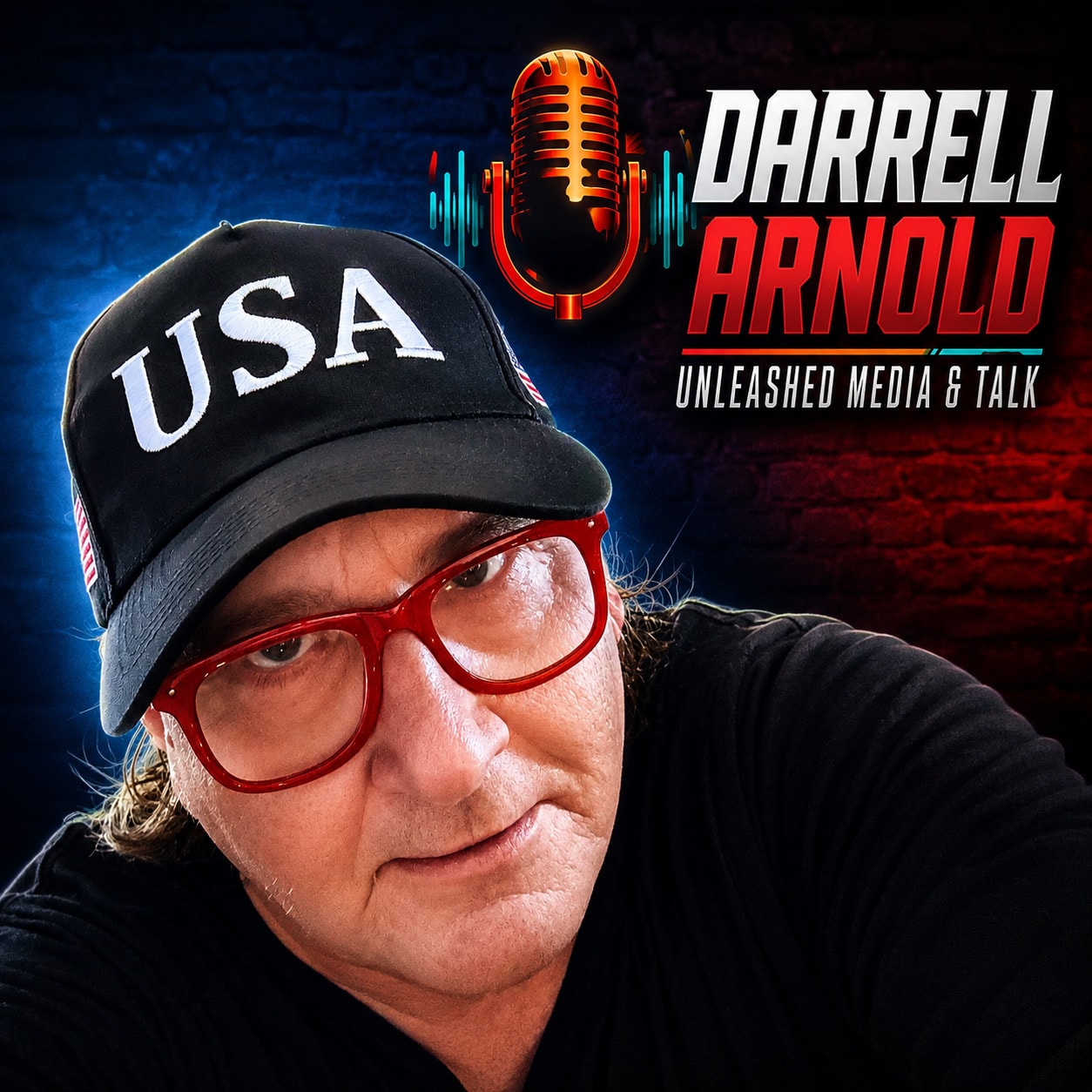
Darrell Arnold is the host and founder of Unleashed Media & Talk — a conservative news commentary show and podcast covering breaking news, politics, and American culture. New episodes drop weekly on YouTube, Spotify, Apple Podcasts, iHeart Radio, and Podbean. Visit unleashedmediausa.com to subscribe and stay informed.